Dear friends,
I hope this letter finds you well. 10 months, 10 letters. This letter contains all my Cusco adventures with a few Iquitos anecdotes thrown in. I only have 2 weeks left in Iquitos and working at RAREC, so the next letter will be from Colombia!
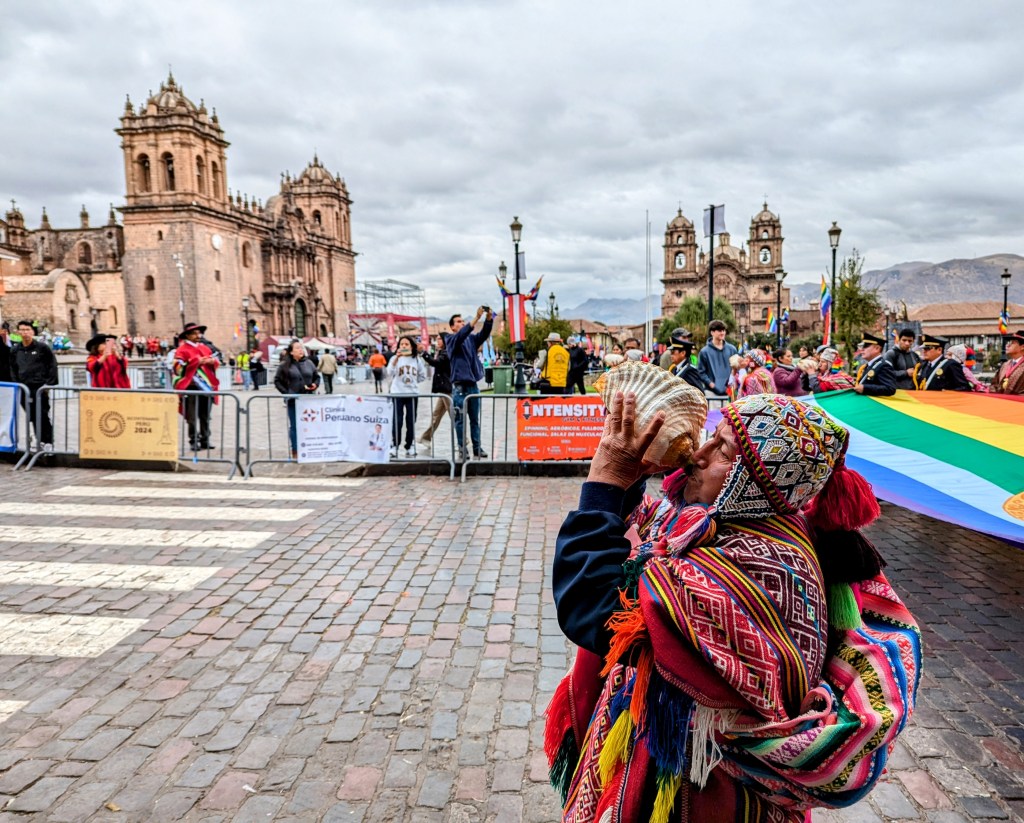
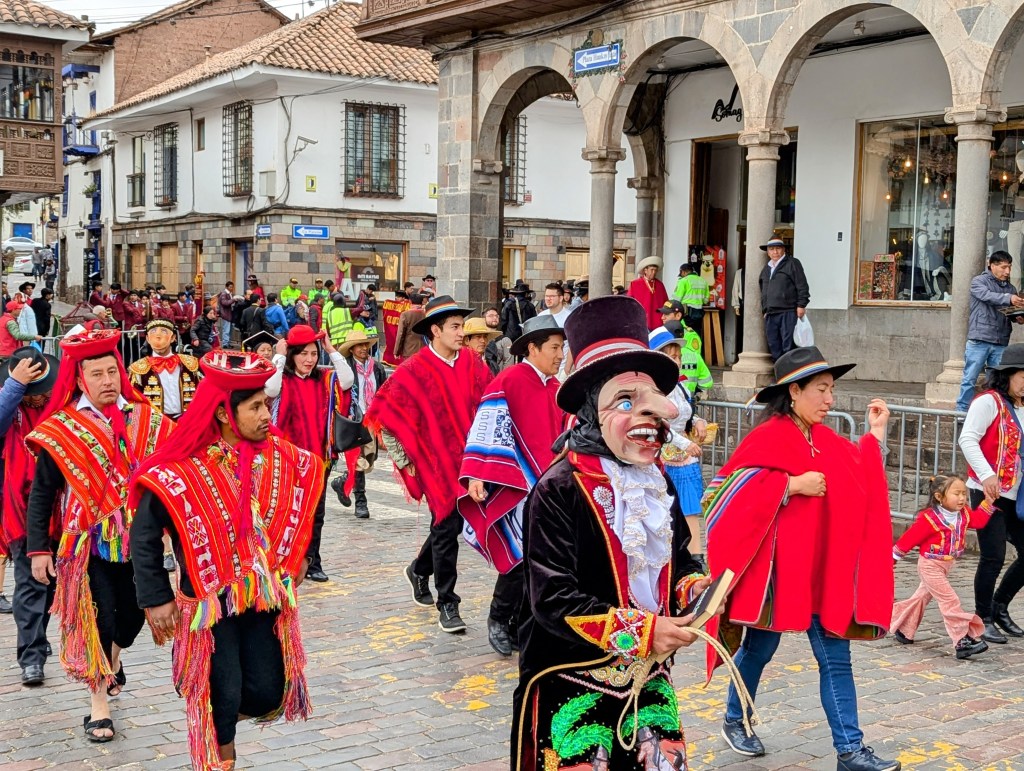
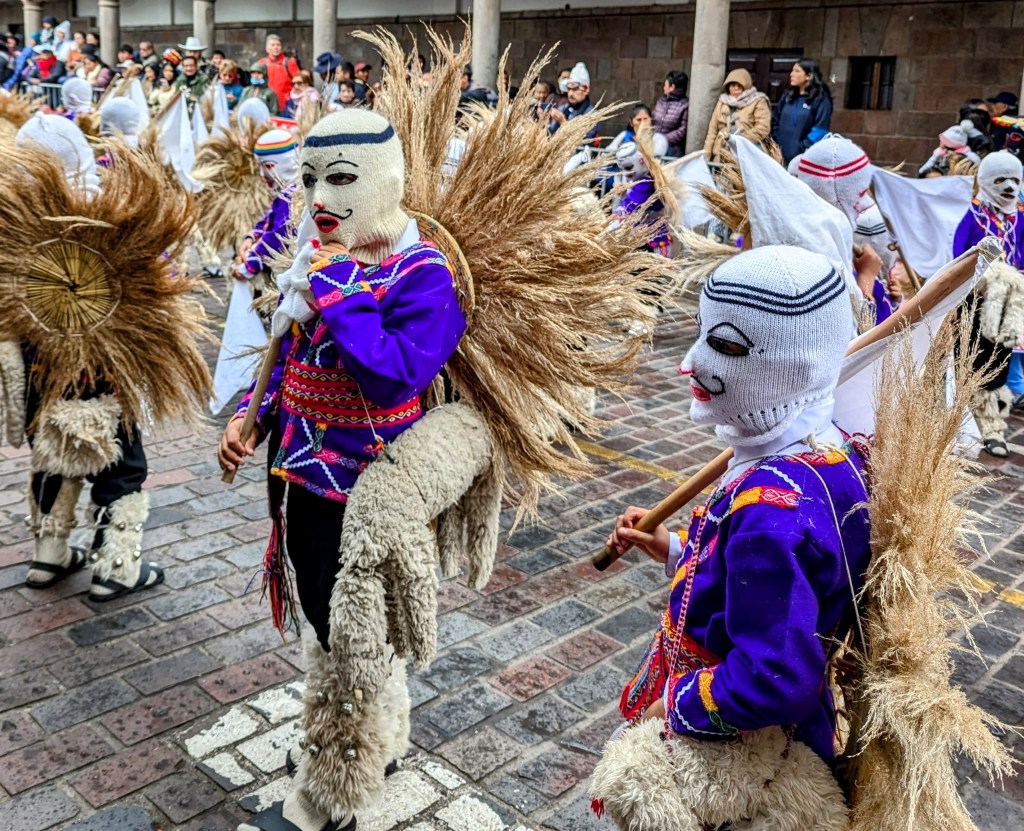
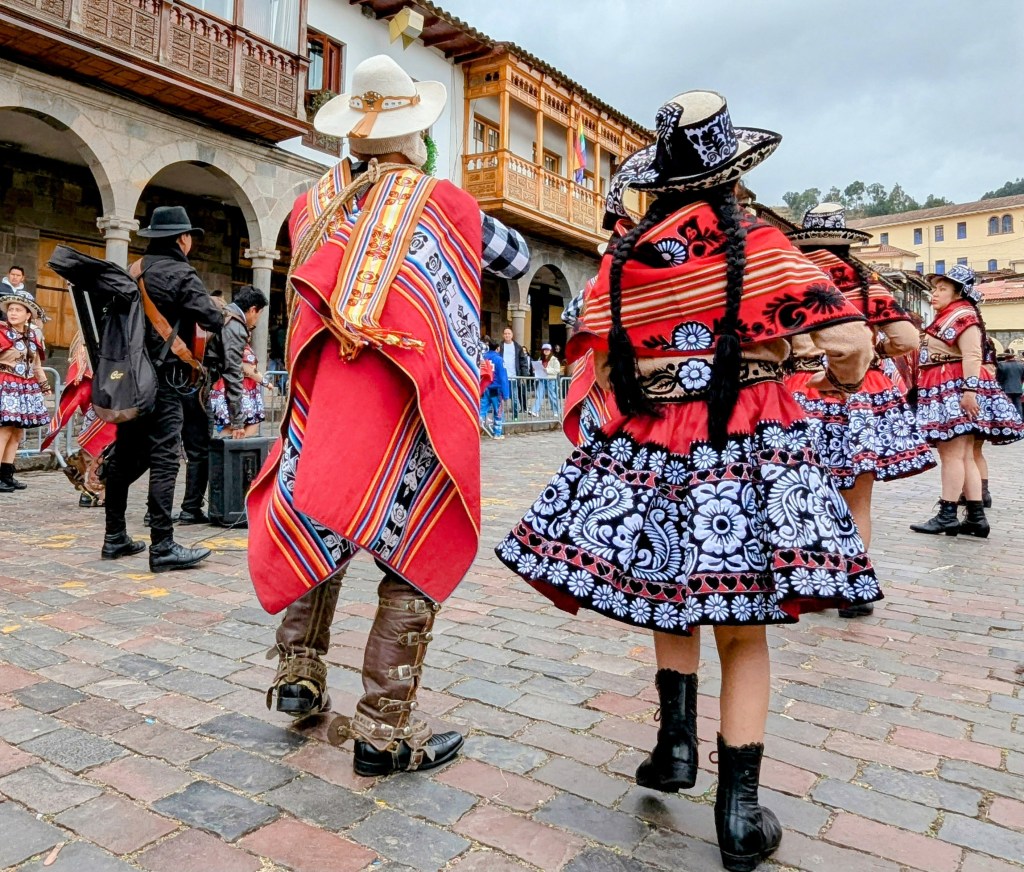
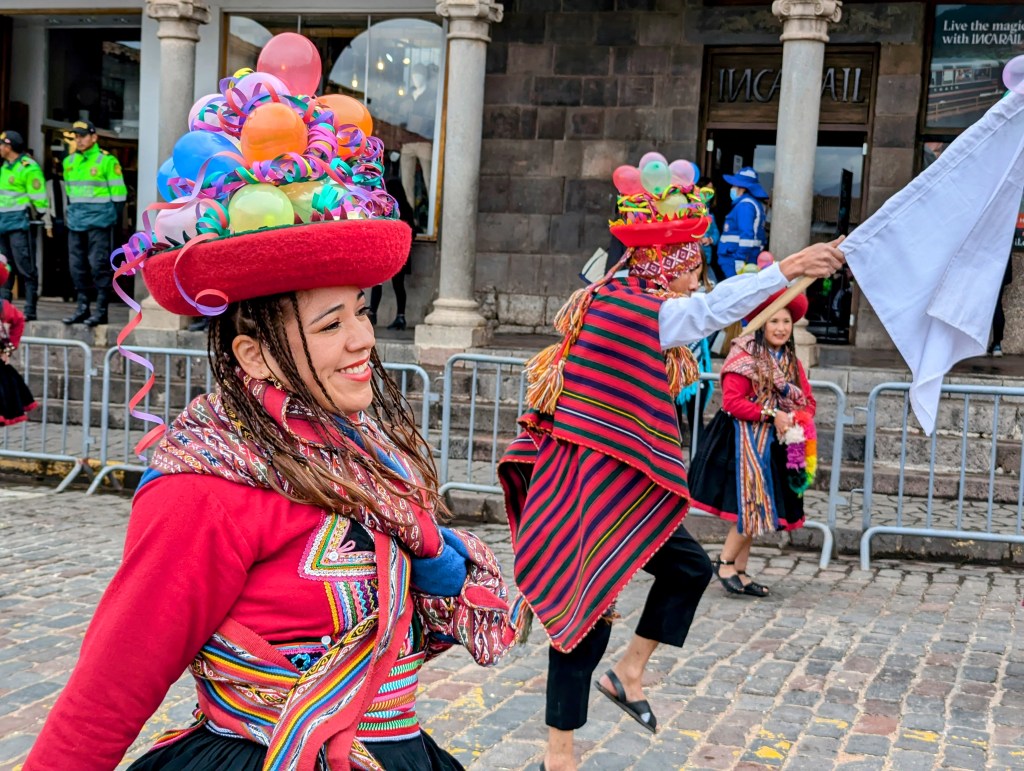
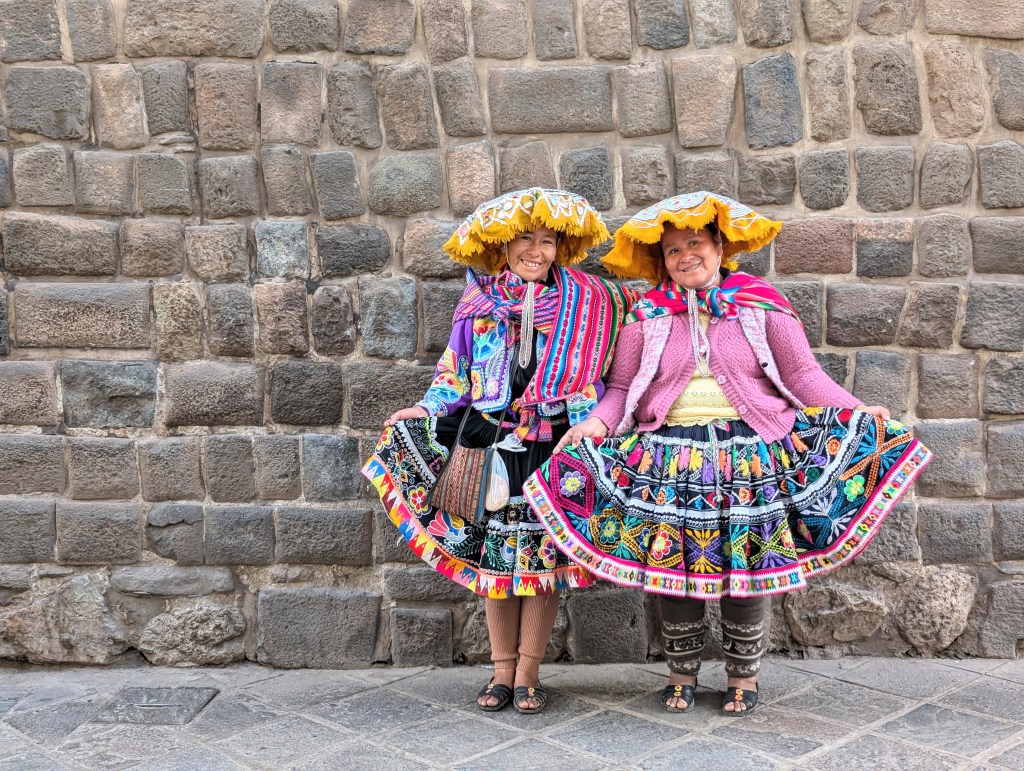
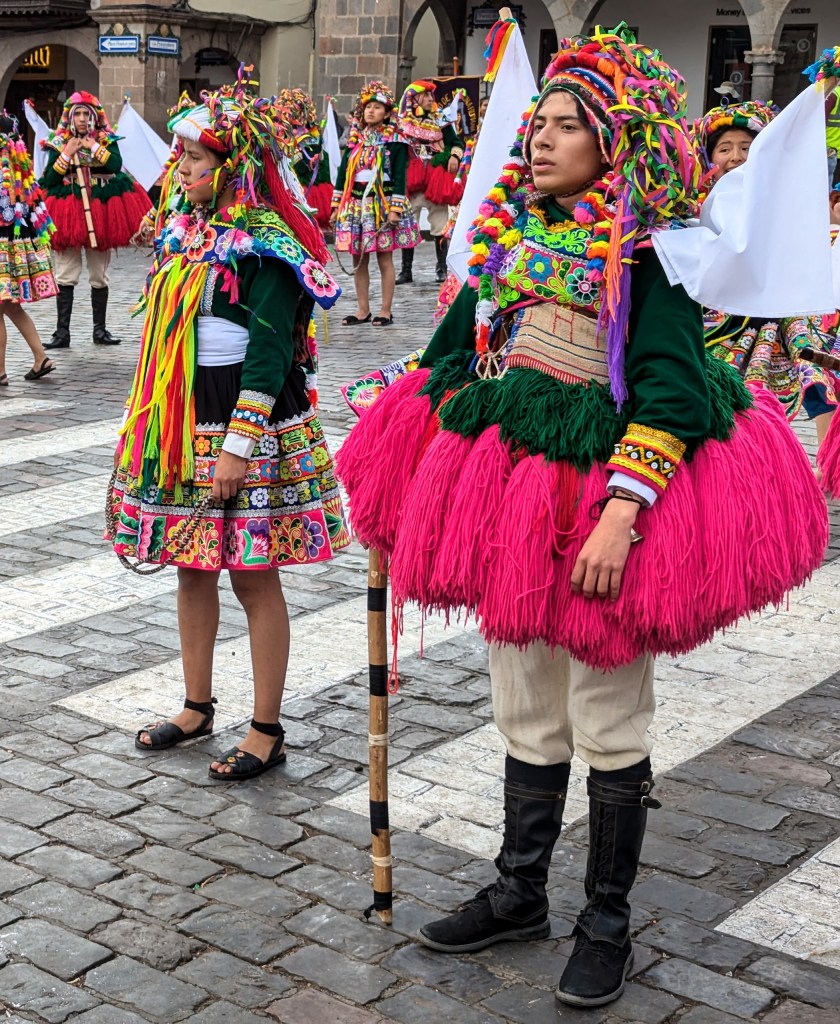
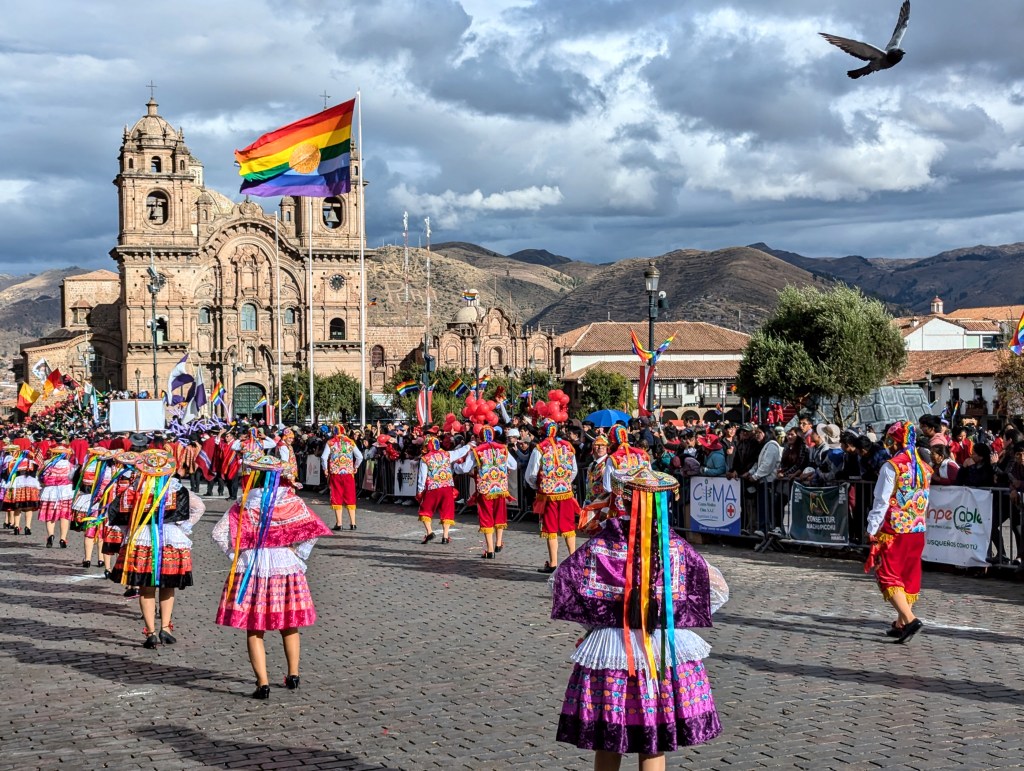
I’ll start with my holiday. There’s a reason I was so exhausted at work, I hadn’t had a break in 9 months. Living with up to 30 people and being on call 24/7 for 9 months is incredibly mentally draining. But there was a good reason for that madness and apparent poor decision making. I wanted to visit Cusco for the Sun Festival, which is the 24th of June every year. Known as Inti Raymi, in the native language of Quechua, the sun festival celebrates the sun god during the winter solstice (for the southern hemisphere). The festival is said to be established by the Inca Pachacutec, who is credited with the construction of Machu Picchu, around 1430. This year was an extra special year though, as it was also Cusco’s anniversary. So as soon as I arrived I was welcomed with locals practicing dances and parading in the square, and every day there were beautifully colourful and vibrant parades of people from different regions of Cusco, displaying their regional dress and traditional dances. I obviously didn’t understand the background to the dances, but after watching a show at the native arts centre, a few of them made a bit more sense. There were a couple of particularly creepy masks, one which signified fertility (the one with the big nose) and the other, a knitted balaclava with a moustache, that belong to llama herders. The llama herders also carried dead, stuffed llamas with them, slung across them like a handbag. The llama herders dance was utterly lovely though, because the light steps, in little black slippers is supposed to imitate the soft footsteps of the animals. I also found it incredible that the Incans, living 1,100km from the coast used a large conch shell as a horn, to communicate, which you will see in some of the photos and is one of the main sounds to accompany the parades. The rest of the traditional accompanying music was also a lot nicer than the rest of the South American music I have been exposed to in Iquitos. That theme continued throughout Cusco, with food, architecture, traffic and cleanliness also trumping Iquitos.
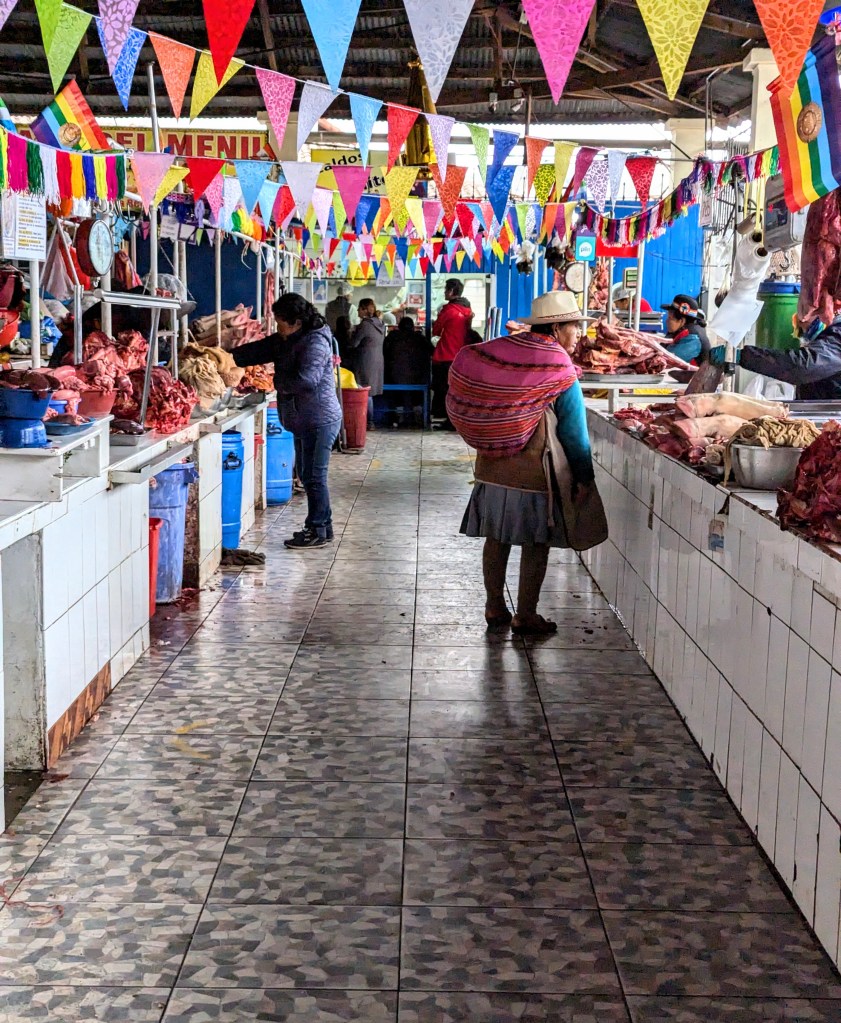
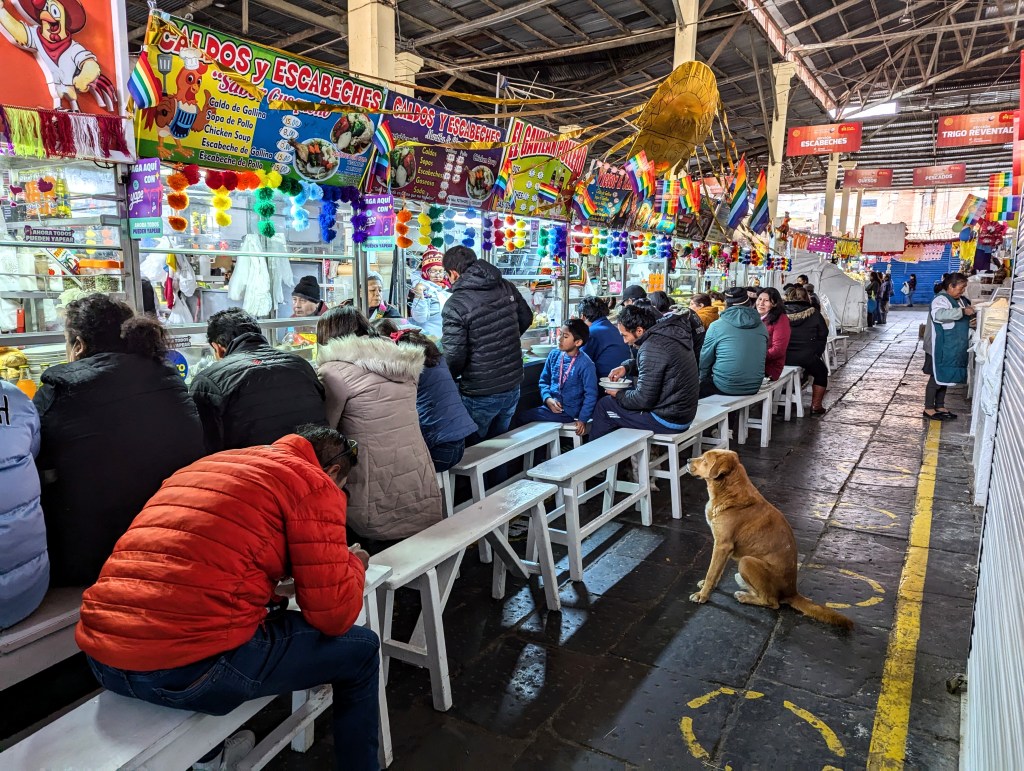
Talking of the food, I had some delicious meals, stunningly presented, and the best brownie I have ever had. Gooey, melted chocolate chips, almonds…. Delicious. I didn’t really eat any traditional Cusqueñan food (although I did have a beer), as living in Iquitos has put me off Peruvian food. And I certainly wasn’t trying guinea pig or alpaca. I was going to have something to eat in San Pedro market, but once I had walked around the undercover souvenir and food market, I decided I wouldn’t take the risk. The market was described in Lonely Planet as “an assault on your senses”, the author has obviously never lived in Iquitos…. For me it was a positively relaxing stroll.
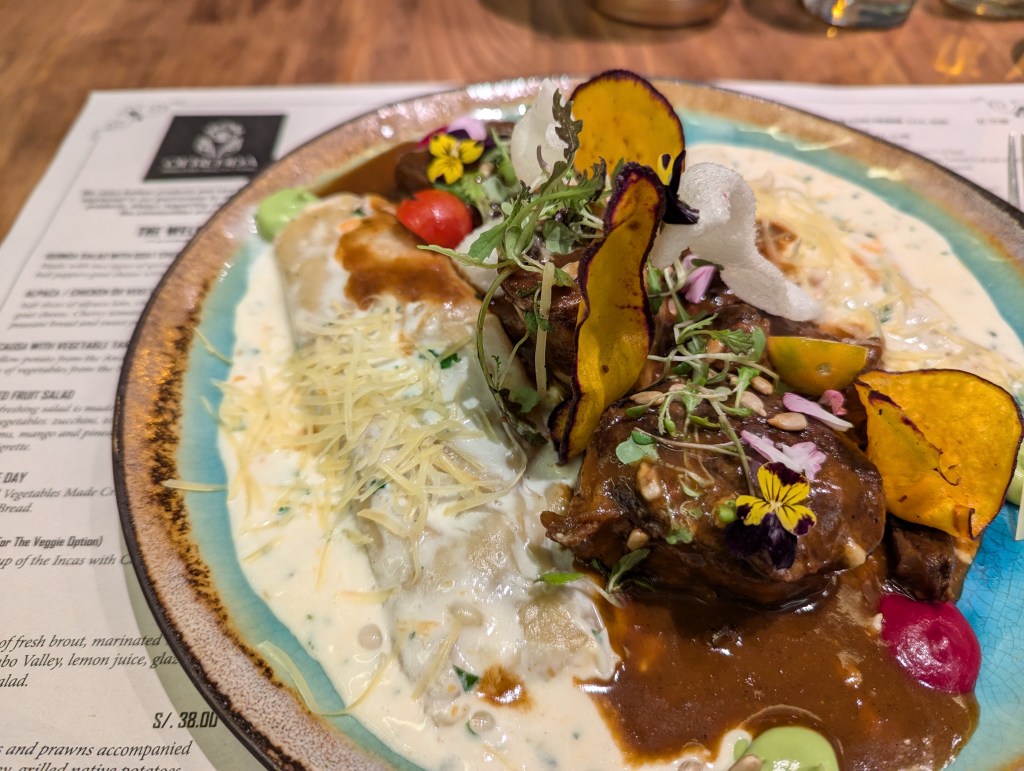
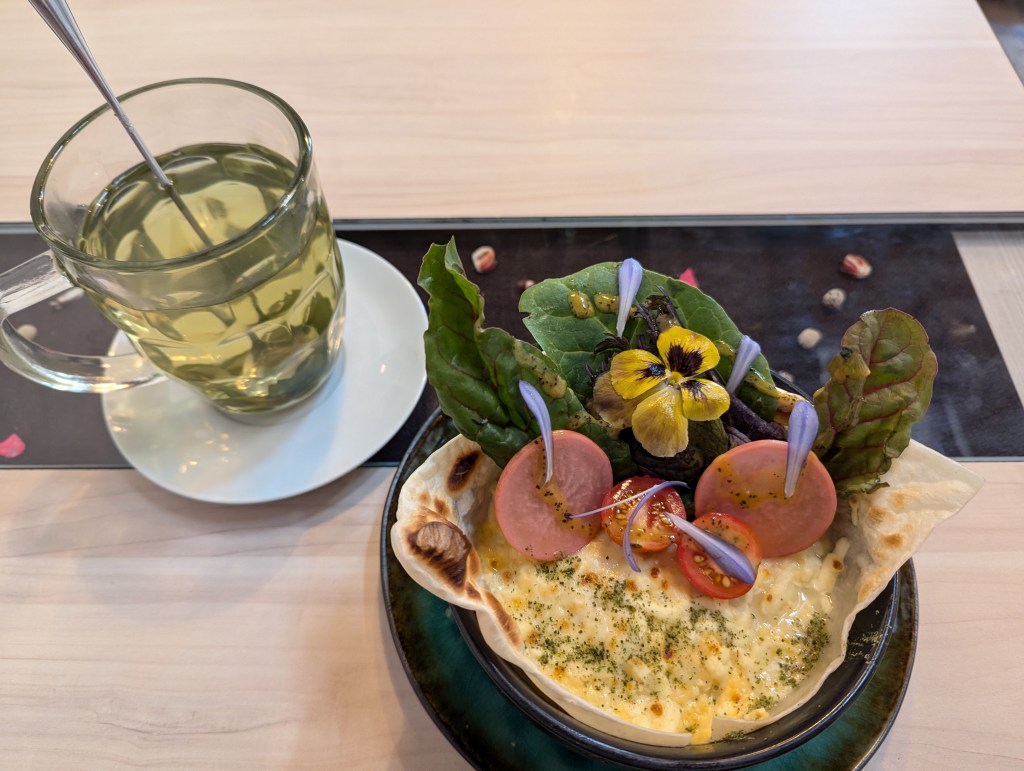
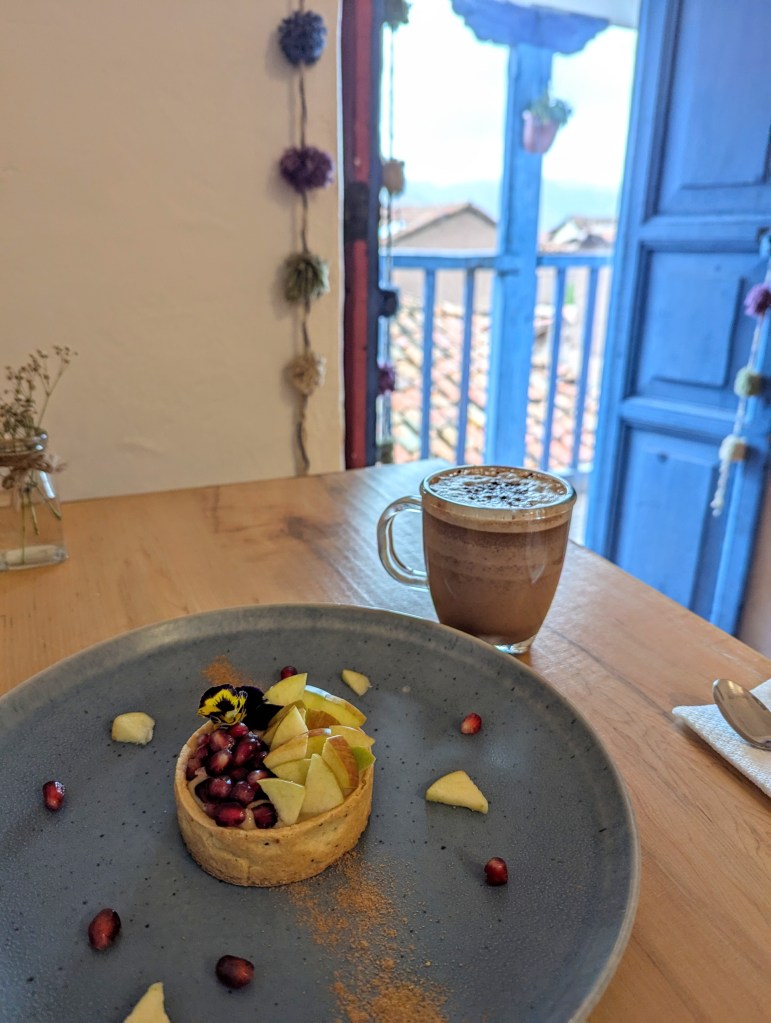
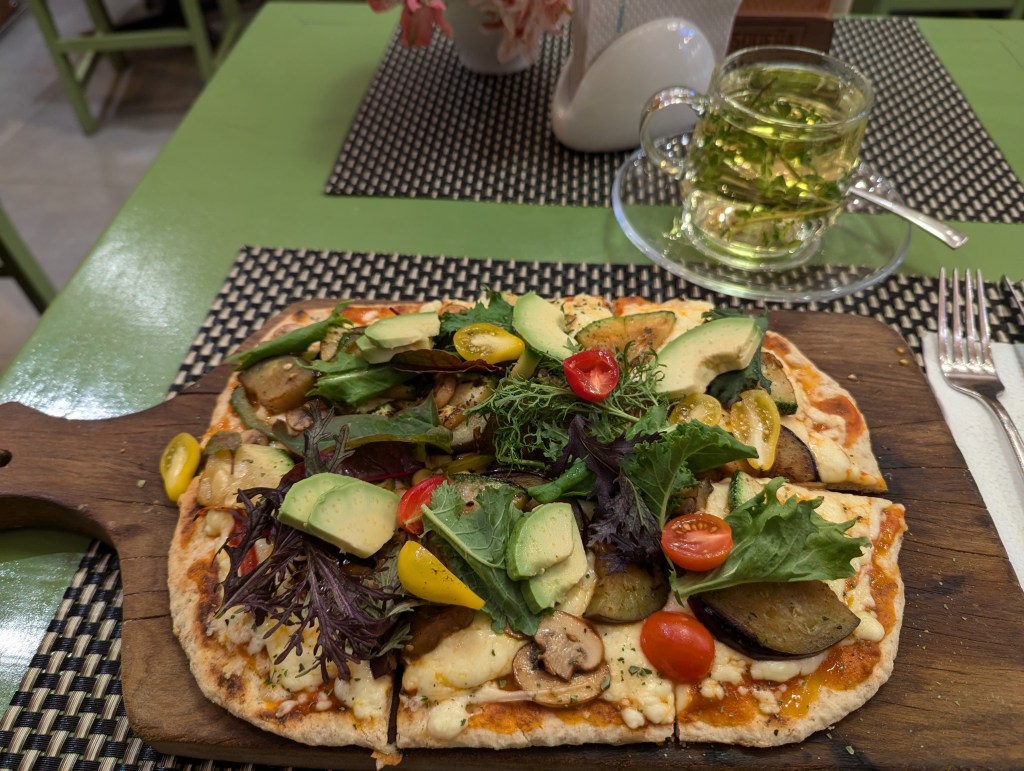
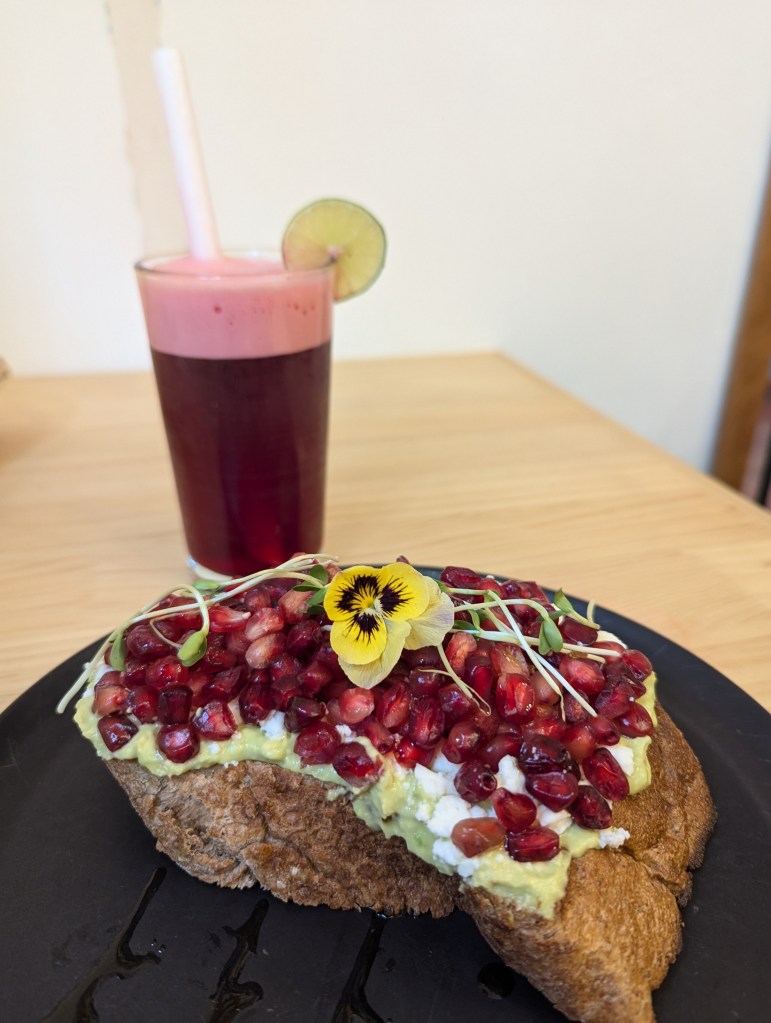
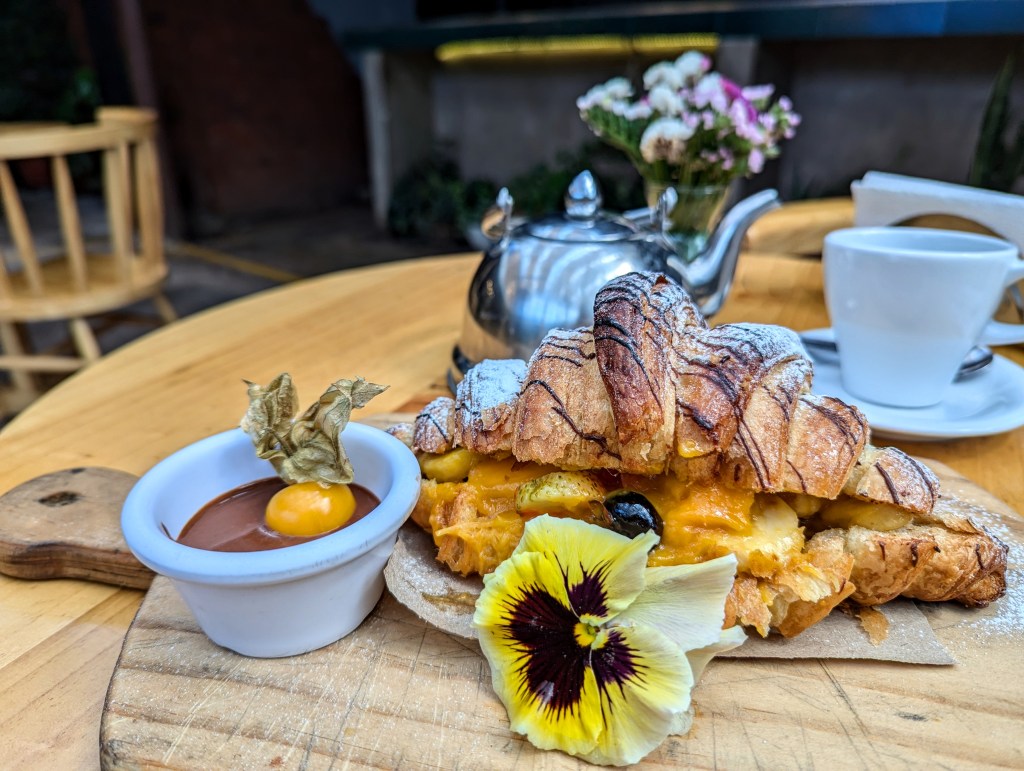
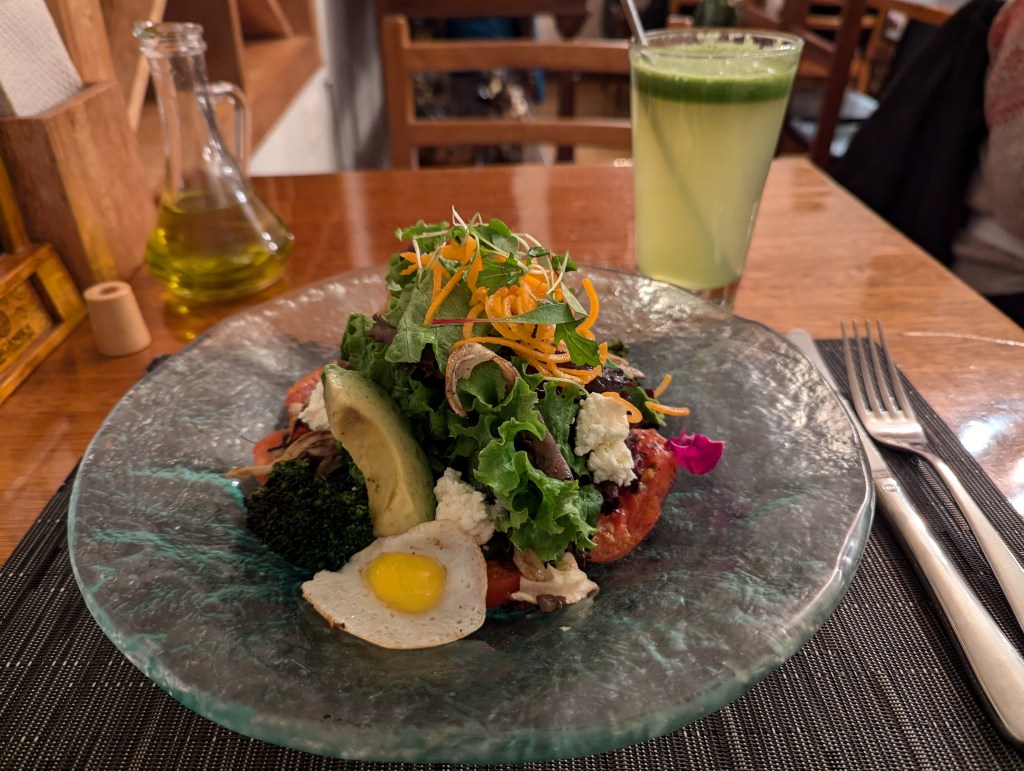
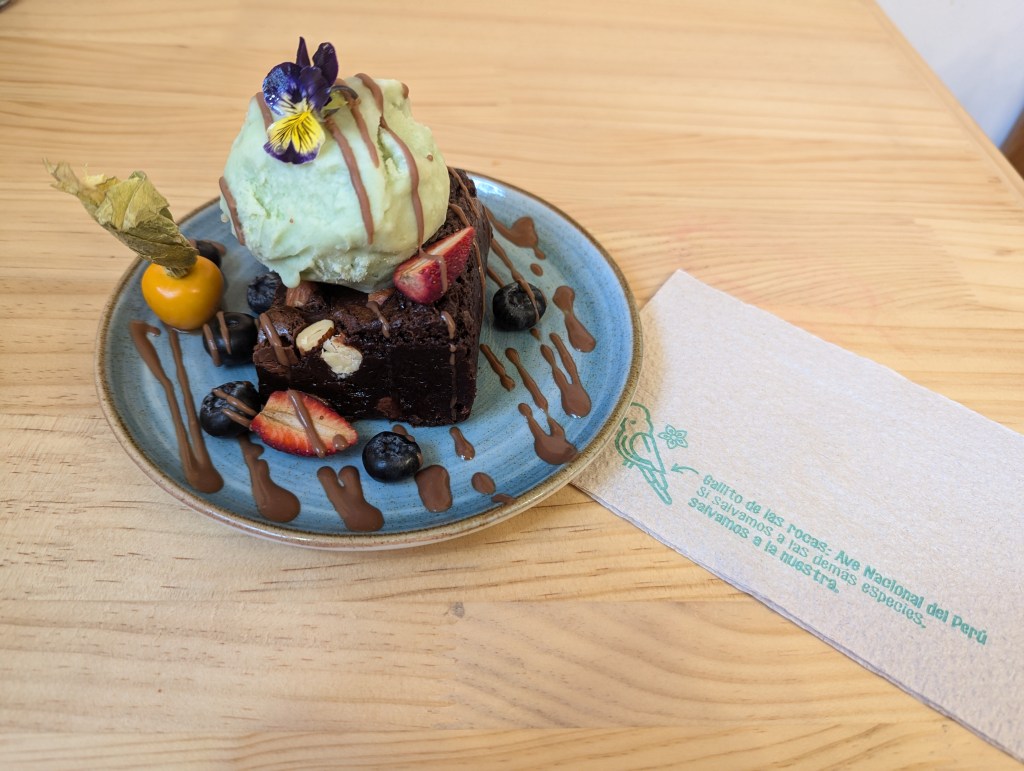
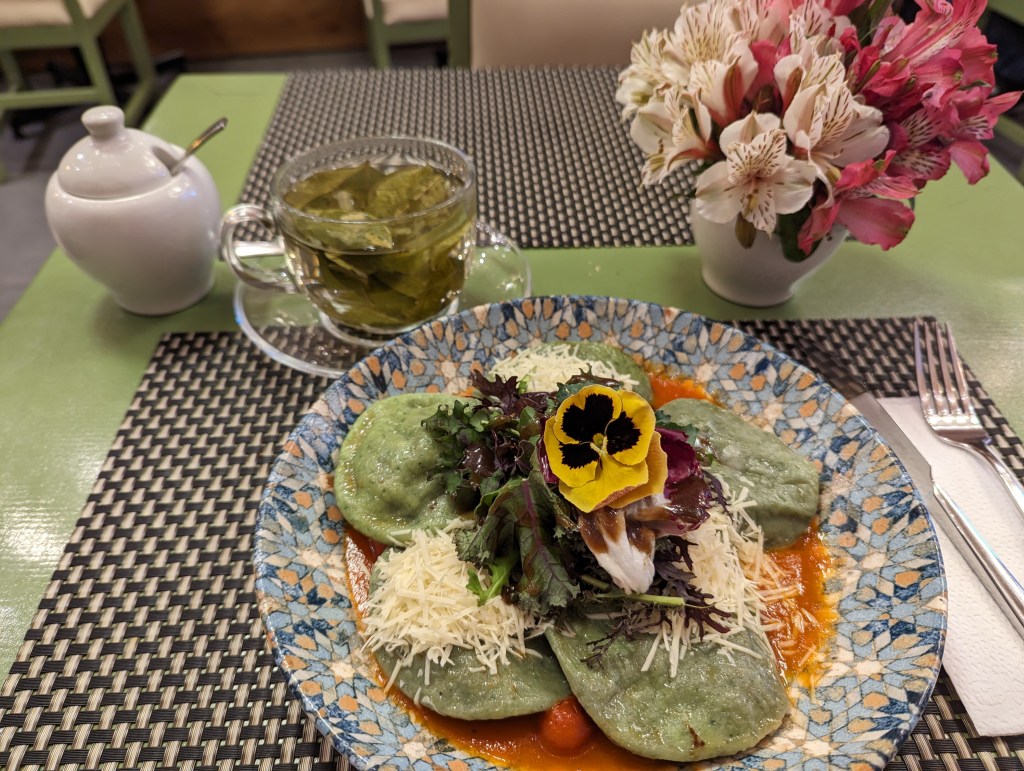
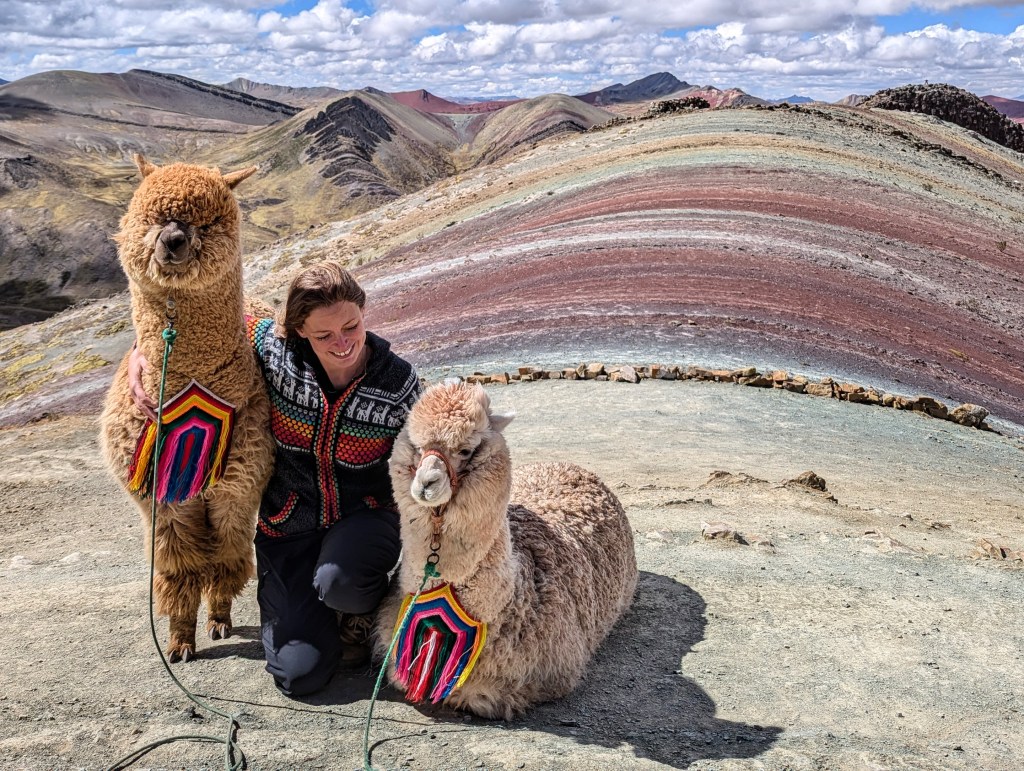
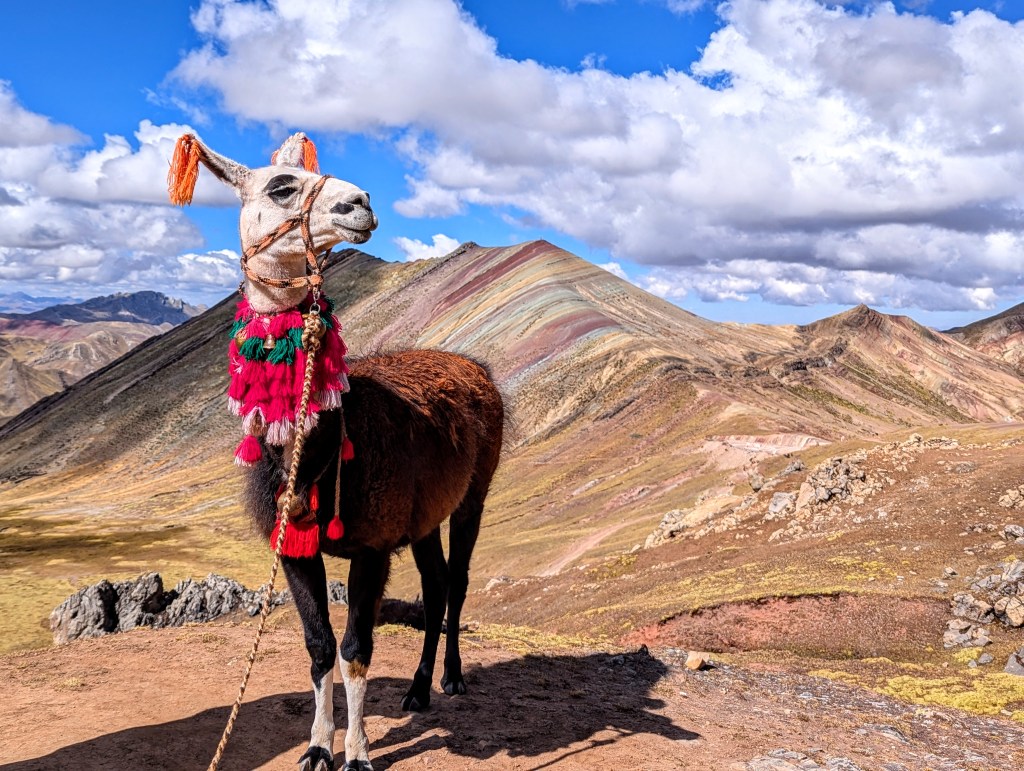
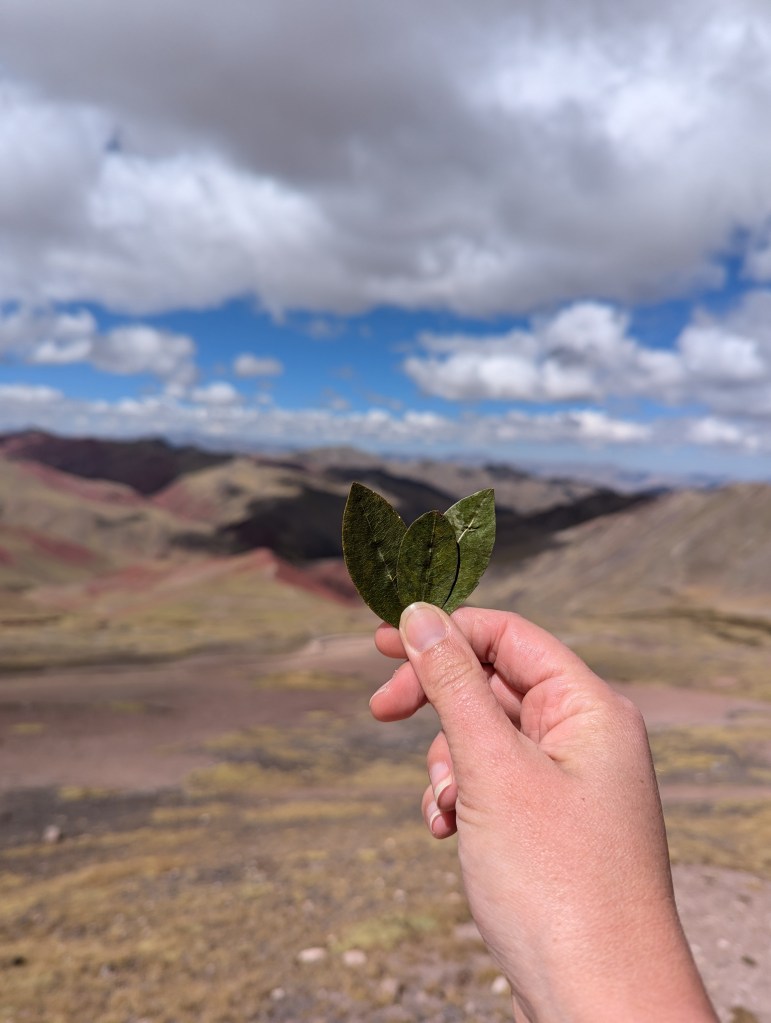
A common accompaniment to the eye-wateringly beautiful and mouth-wateringly delicious food that you can see above, was coca tea. The tea is recommended for as soon as you land in high altitude to reduce and prevent altitude sickness. The leaves, which contain numerous alkaloids, including the ones from which cocaine is derived, are not addictive but do have energising and painkilling properties. Perfect for counteracting the altitude headache and lack of energy due to your body not getting enough oxygen. I found they helped, and it was a tasty and refreshing (and cheap) addition to a meal. Traditionally, coca leaves were sacred in Andes, being used by Incans to help them power through the day without food, help messengers run long distances and also as offerings to the gods. Numerous pottery and carved items have been discovered showing Incans chewing the leaves and they all carried little woven bags in which to keep the sacred leaves. They are still used today as offerings and are an incredibly important part of their culture. Traditionally, three coca leaves are used to make an offering to Mother Earth, each one representing one of the three different worlds in Andean cosmo-vision: Uju Pacha (the underworld), Kay Pacha (the surface world we inhabit as humans, also known as Pacha Mama), and Janaq Pacha (the upper world). While I was in Cusco, I felt a lot more connected to nature than I have since being in Peru. Probably because I could touch it, take my shoes off and feel the ground without getting bitten or a horrendous chemical burn… But also because I was there for solstice, which is such an important natural festival there. I was even at Machu Picchu on actual solstice, 21st of June. But I digress, on my last day, when walking in the mountains of Palcoya, the quieter sister mountain (5000m above sea level) to the awfully touristy Rainbow Mountain, I wanted to thank Pachamama/ Mother Earth, for the wonderful weather I’d had and the incredible wildlife I’d been privileged to see in Manu National Park. So I decided to take 3 coca leaves and leave them as an offering in front of the sacred mountain. If I ever go to Cusco again, I will go for the 1st of August – Pachamama day, where they spend the day worshiping and performing rituals for Mother Earth.
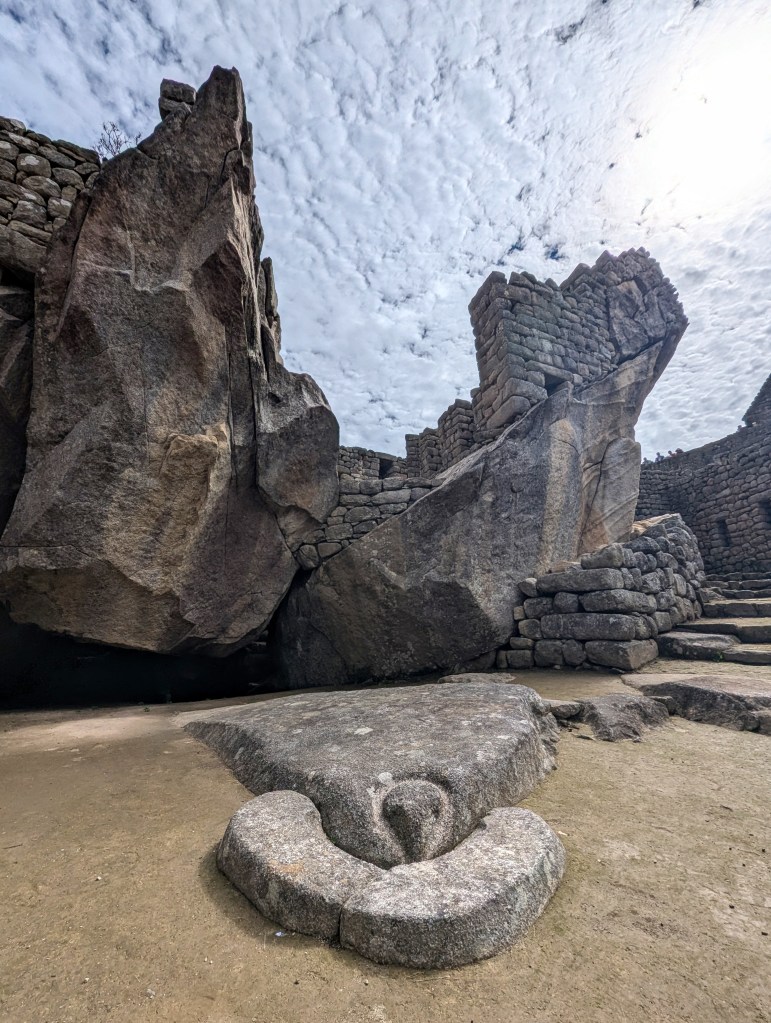
As mentioned, I was at Machu Picchu on solstice. I woke up at 3am to rain and fog, made my way to the bus station for the 2 hour ride, followed by a 1.5 hours train journey then another 30 minutes by bus, all surrounded by the other 4999 of the daily quota of tourists allowed on the tourist conveyor belt up to the citadel. It was a stressful and mostly unpleasant journey, still raining and miserable until an hour before my entrance. The guide was brilliant however (if you go, get a guide, you will not get the same out of the experience without one) and once you’re in and the tourists are spaced out a bit I had a wonderful time. The sun came out and it was truly magical. Had the sun been shining that morning, it would have risen directly through a small window onto the alter of the sun temple. I also very much enjoyed the temple of the condor, using the natural rock formation that looks like wings, the constructors carved a condor head and neck feathers and dedicated the temple to the sacred bird, that they believed represented the sky and the connection to the spirit world, as they saw the condors feasting on carrion and thought they transferred the souls back to the sky.
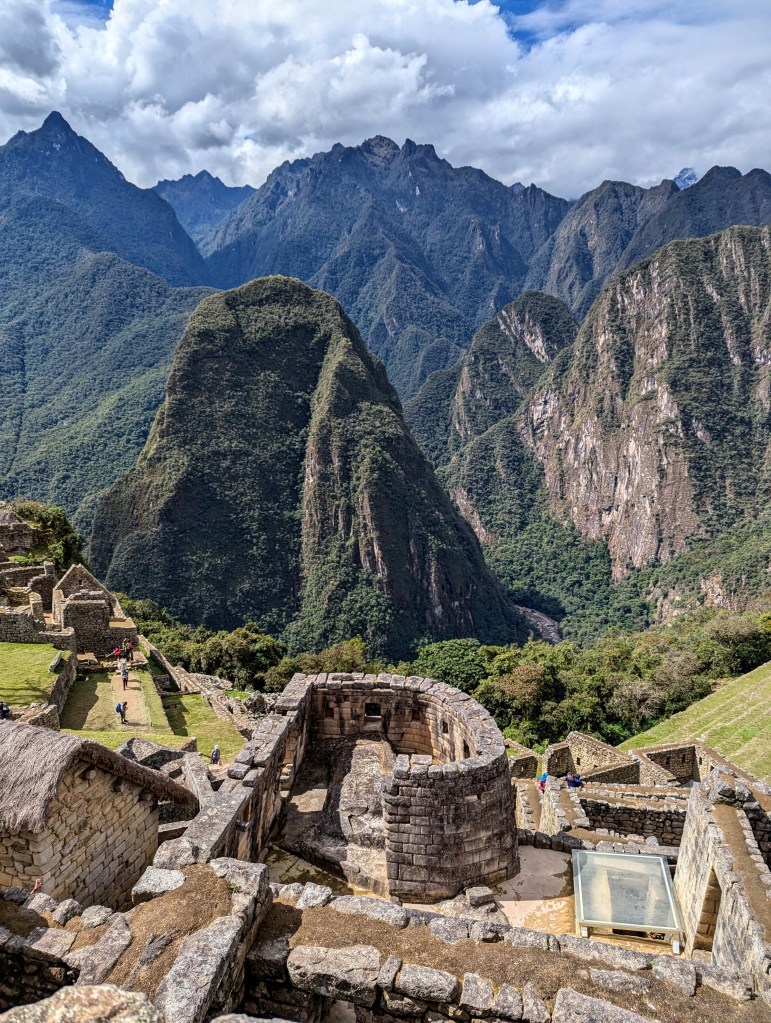
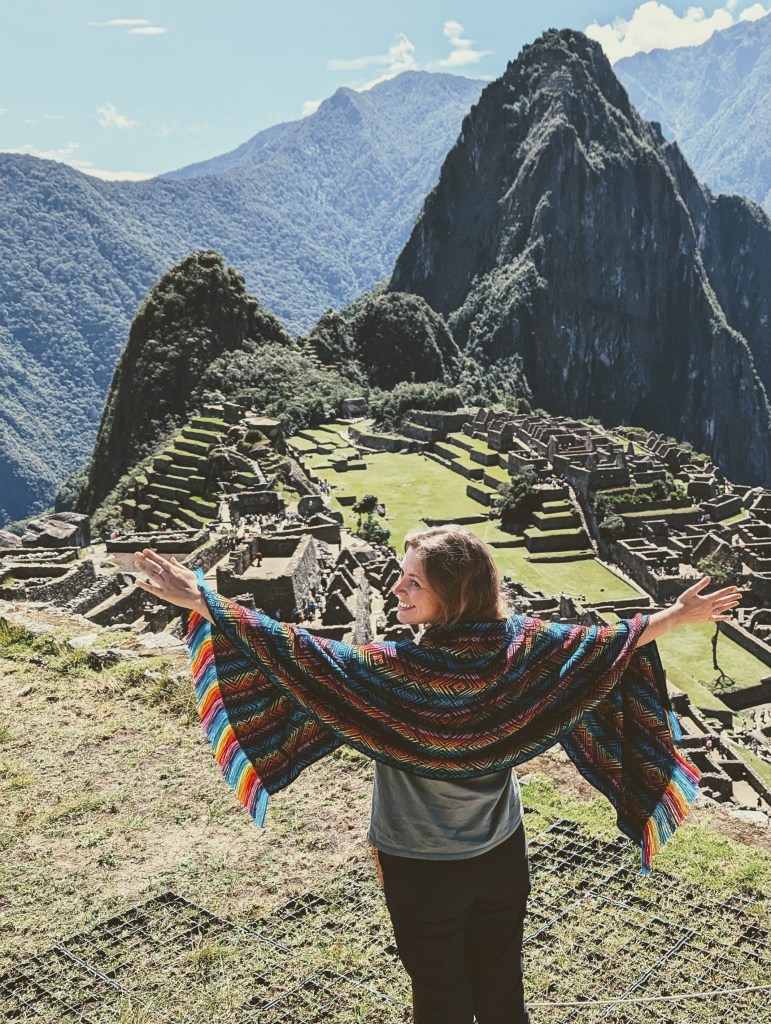
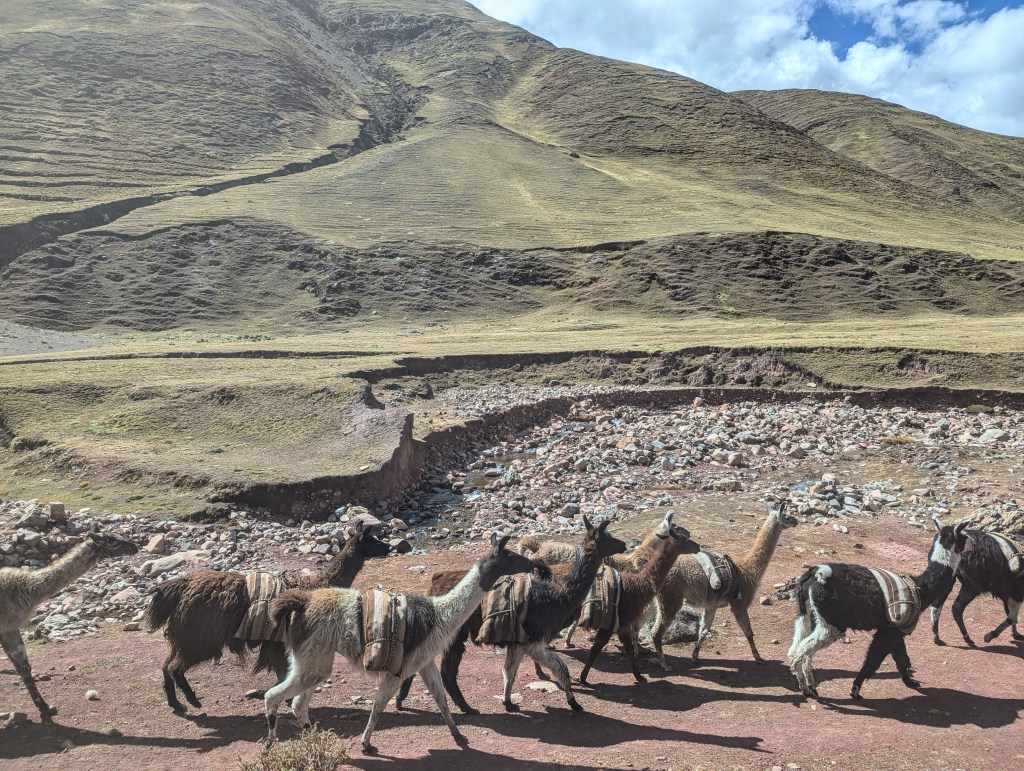
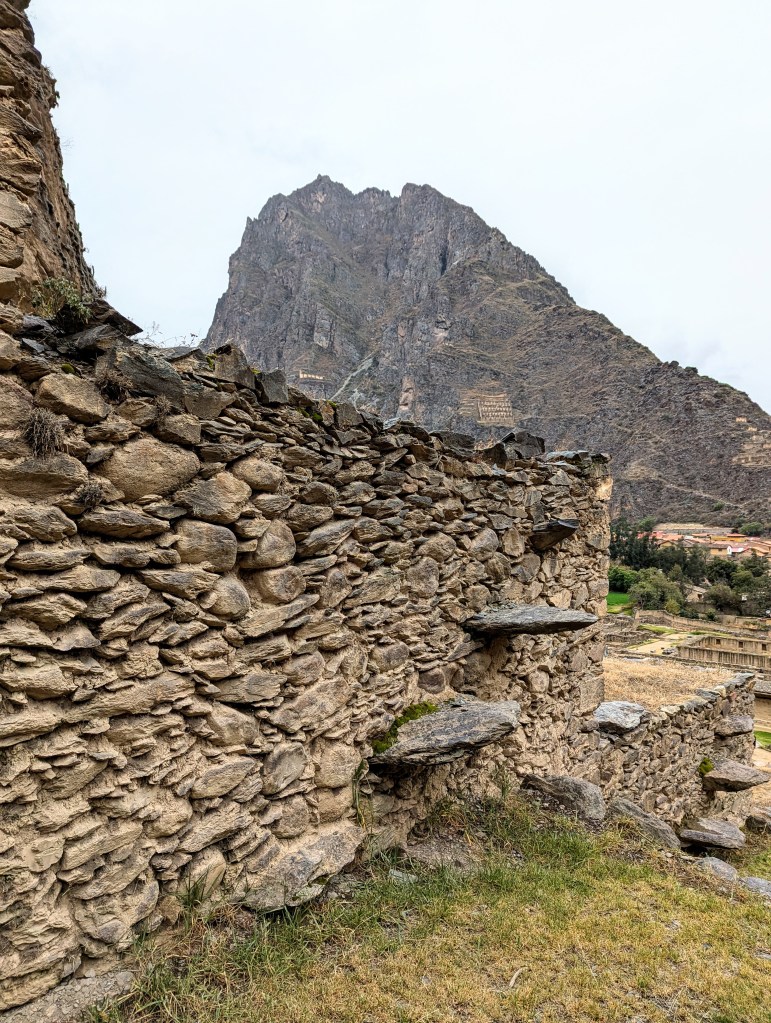
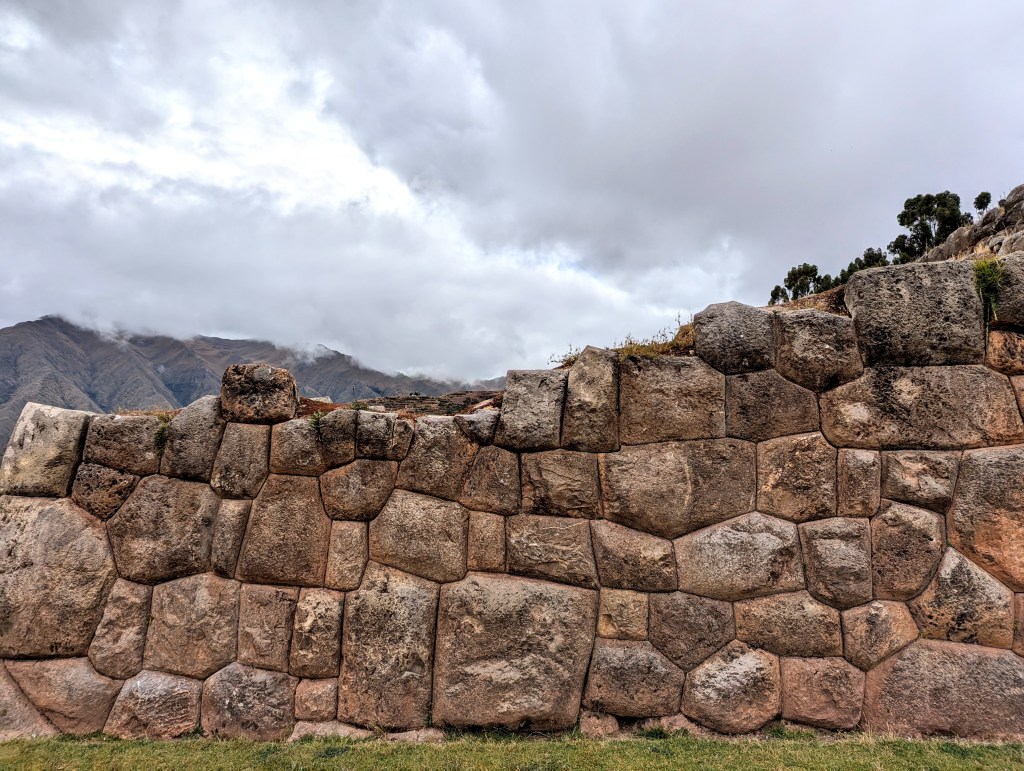
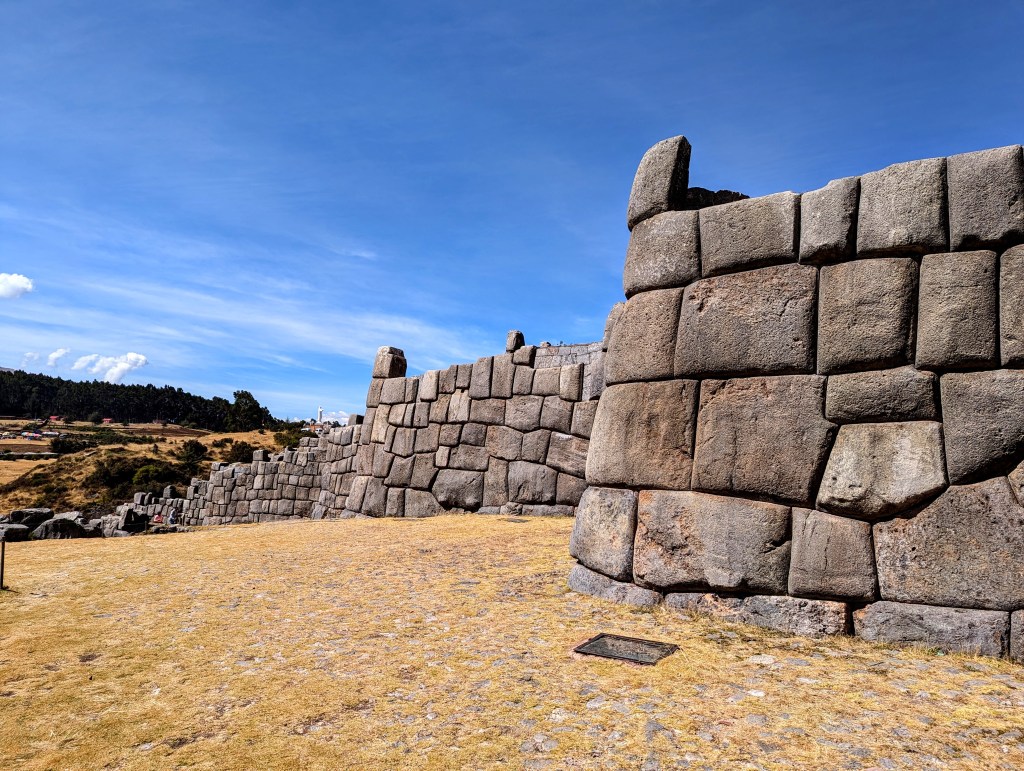
What is difficult to see in the image above is the temple and agricultural terraces built on the side of Huayna Picchu. The produce grown there would have been for offerings in the temple. Interestingly, all Incan terraces were built with drainage systems, layerings of different substrates, including gravel and sand. The sand, amazingly, just like the conch shells, was carried the 1000km from the coast! How? Llamas. The camelid native to the Andes, llamas were used to transport heavy loads, as horses and donkeys were only introduced with the Spanish. There were also no wheels, however they did used logs and rolling pins of stones to move the large slabs of granite needed to build the temples and citadels. Alpacas on the other hand were used mostly as sacrifice or for celebratory meals. No wonder it took them 100 years to build Machu Picchu (it wasn’t even completed). Another reason it would have taken so long, is because to build the temples, the granite had to be sanded down with another special rock, to fit perfectly in with the other surrounding stones. Meaning that some ended up with 12 corners! They did this because no mortar was used, in order to survive earthquakes, so the stones shook around and slid perfectly back into place. Also, they believed only the best for your god, so all the time and effort was worth it. The common buildings were built with normal stone and using mud as mortar.
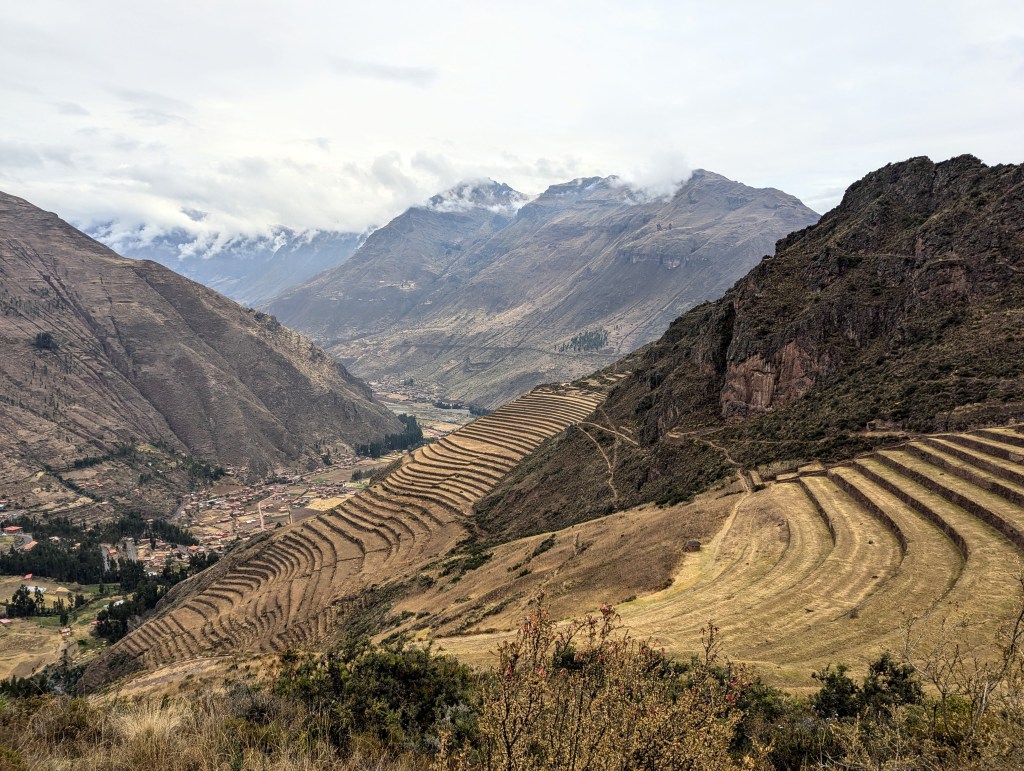
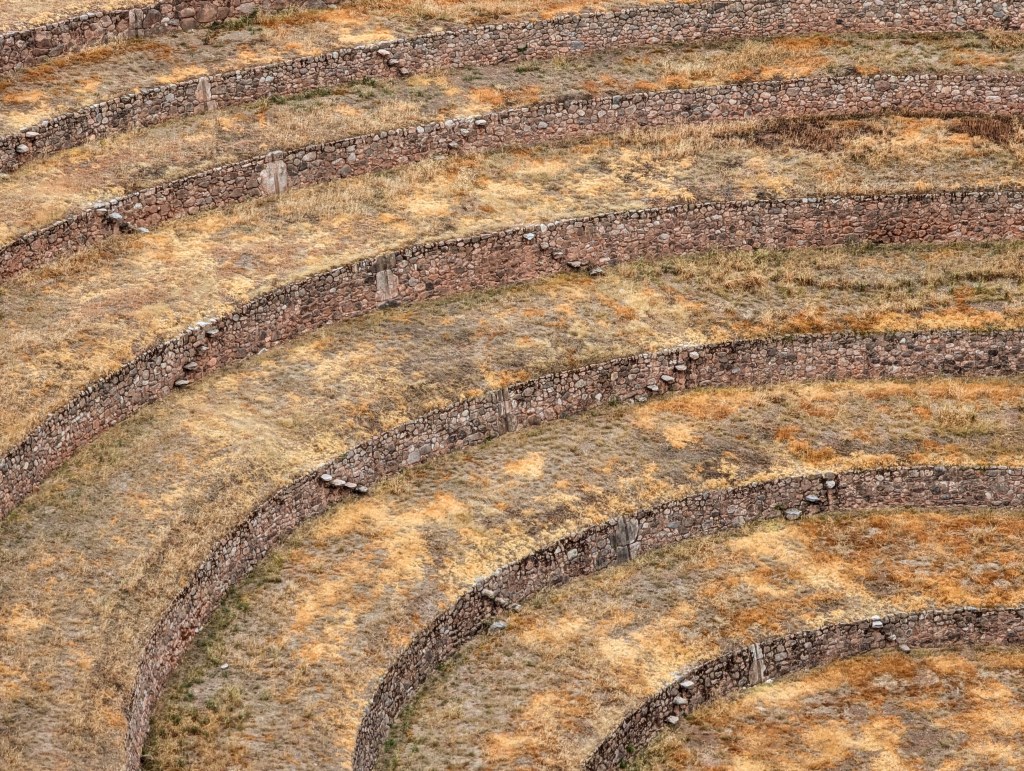
Mayas, pictured partly above, were agricultural terraces built in a natural depression. Each terrace has a 1.5C degree change in temperature, being warmer as the bottom. This allowed the Incas to develop over 500 different species of potatoes and corn. The steps you can see going up the terraces, prove that Incans were actually taller than modern day South Americans.
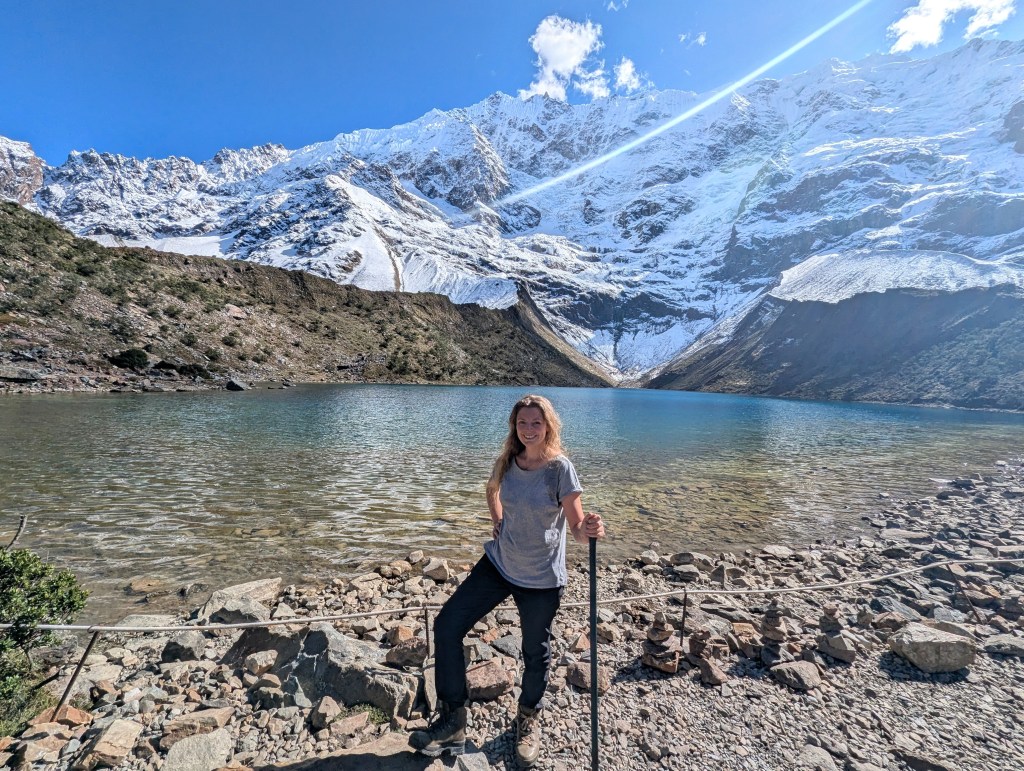
A stunning, but incredibly challenging hike I went on was to Humantay lake. Human means head and Tay means god. It was 4000m above sea level and very steep. Lucky I had a walking stick, because even descending was hard, not because of the altitude, but because by then my knees were both hurting and by the end so we’re my arms from holding on the the stick for dear life to stop me stumbling to my death. But as I reached the crest, before I topped it and saw the lake, I felt like Sam and Frodo finally reaching Mount Doom… It was worth it, the turquoise waters of the lagoon, surrounded by snow tipped mountains was stunning. I felt energised and even forgot the car sickness inducing 3 hour drive on twisty dirt roads to get there.
Well done so reading this far, nearly finished! Just the actual sun festival and Manu national Park left to tell you about. On the 24th I got up early to stake a spot in the main square ready for the show, 3 hours of standing later, and after locals complaining I was too tall and they wouldn’t be able to see, the show finally begins. It was wonderful, despite the guy sitting with his selfie stick all the way in the air, continuosly filming, ruining the view of the main stage. However, he got his comeuppance, as he didn’t realise he was filming the pavement the entire time… 😂
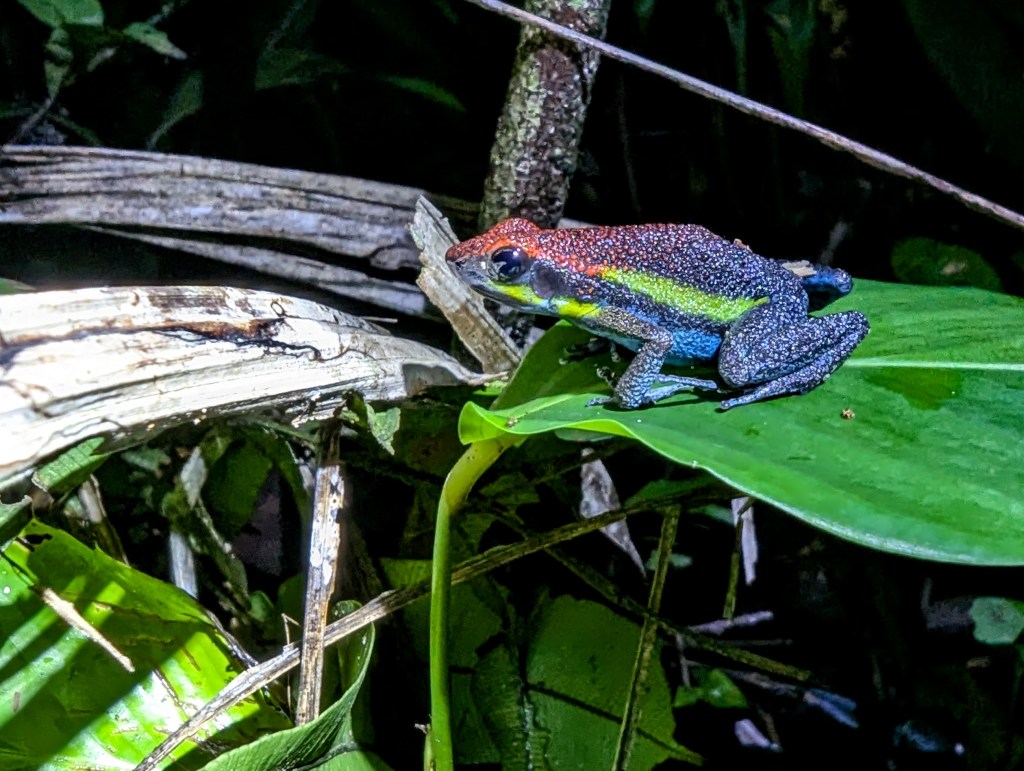
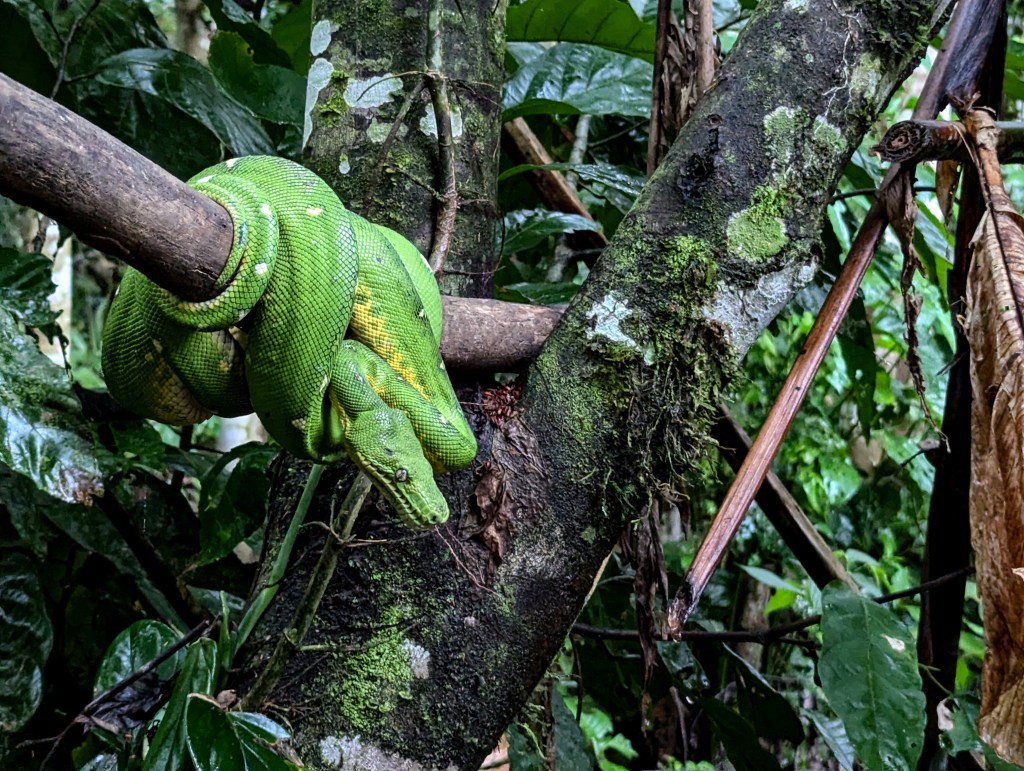
Now you may wonder why I chose to visit the jungle, while on holiday from the jungle. As mentioned in many previous letters, Iquitos is a bit lacking in the wildlife department. So I really wanted to see a macaw salt lick and a mammal salt lick in the hope of seeing a tapir. Months ago I booked a tour but it fell through because I was travelling on my own and they needed a minimum of 2 people. So debating whether or not to book one I finally found one last minute, a 4 day 3 night tour of Manu National Park that offered a parrot salt lick and was actually very cheap. One the first day I was already 100% grateful I’d chosen to tour the jungle there rather than here. We saw wild woolly monkeys, black-capped capuchins, red howler monkeys and a collection of amazing birds. On the third day, we saw a wild tapir and while at the parrot salt lick, although not a macaw one as I had originally longed for, 3 scarlet macaws flew over! Later that day we even saw blue and yellow macaws flying over. So I saw four species of animal that I work with at RAREC, but in the wild, showing natural behaviours and free. There is nothing as magical as seeing an animal in the wild and it’s just so sad, despite the size of the Amazon and Iquitos being literally surrounded by jungle, you can’t experience it here.
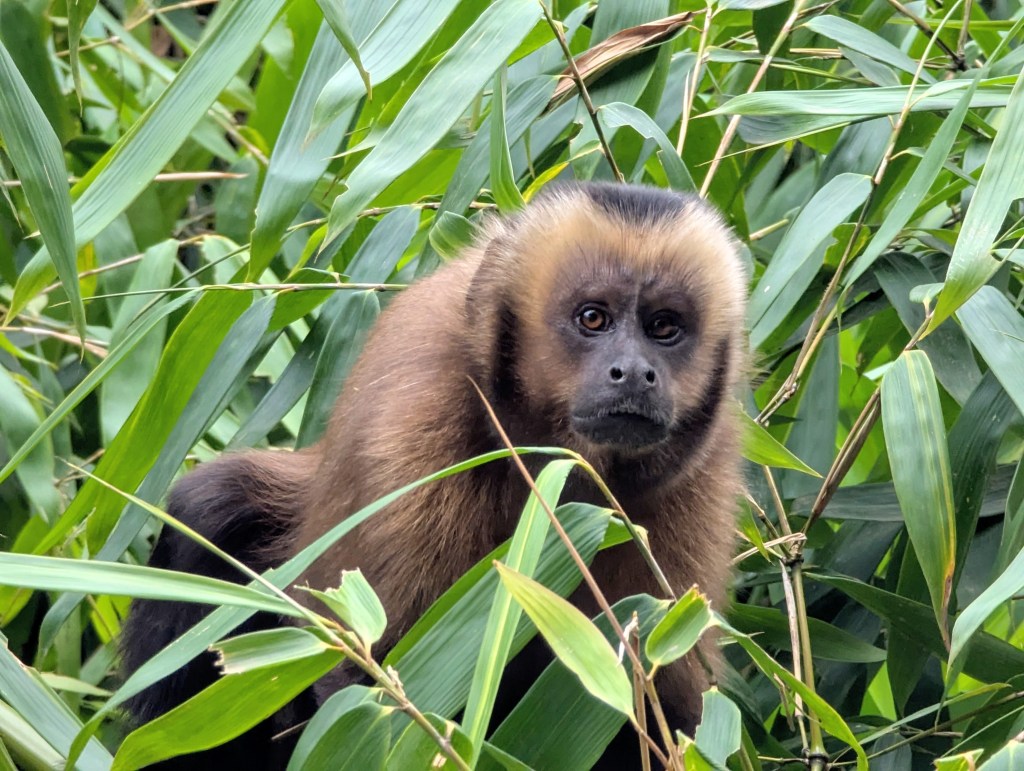
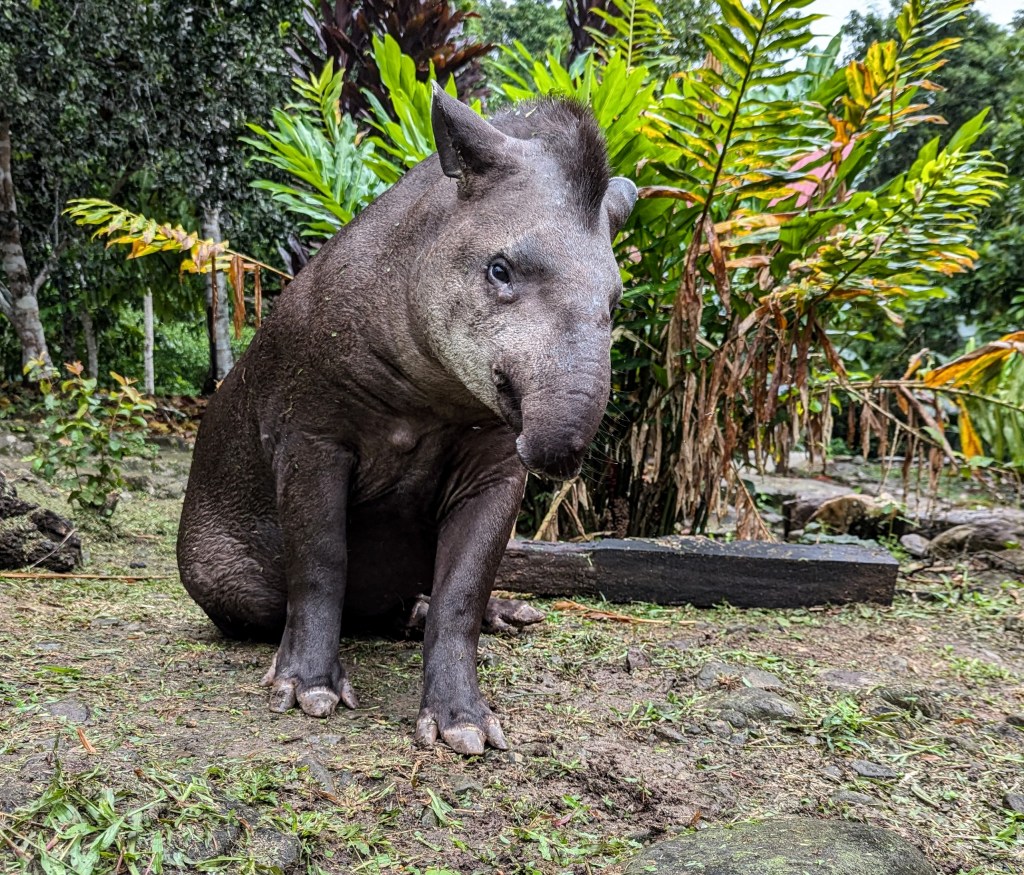
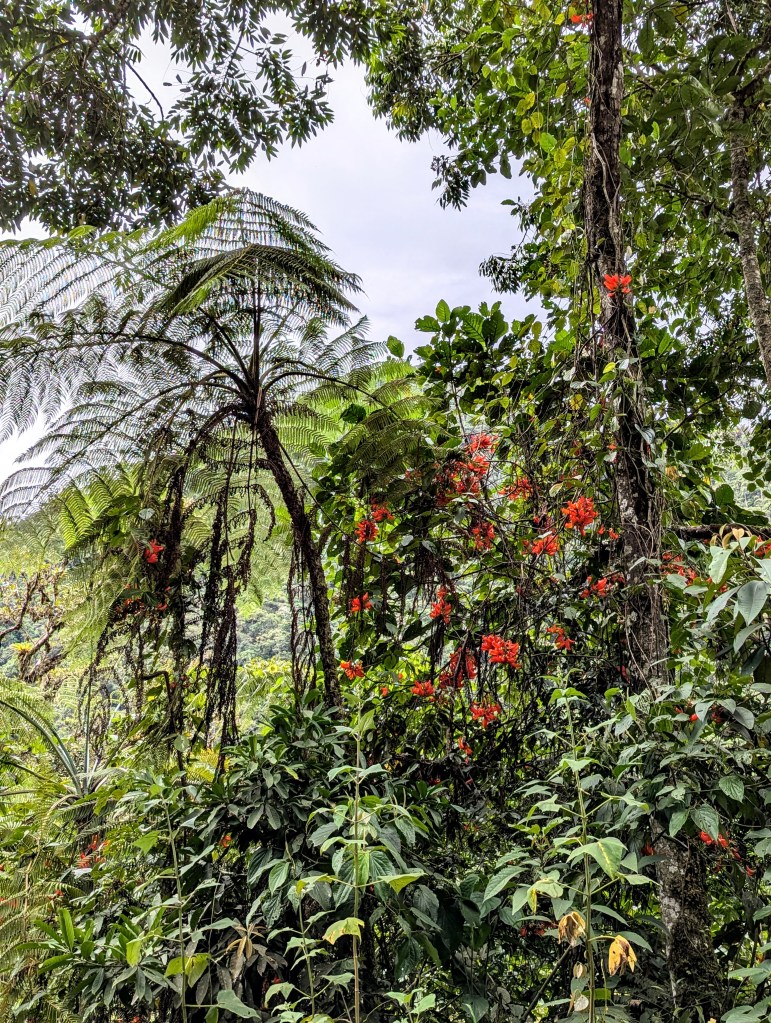
Well, that’s it. This few weeks is full of goodbyes, not only am I leaving soon but the last cohort of long term staff are also leaving a week before me, including the head vet, who I’ve lived with for 7 months now. So we’ve had a few sendoff events, including a day out at the pool where in typical Iquitos fashion the taxi nearly vibrated apart on the way there and when they came to collect us, they had to jump start it down the road! There you go, no letter would be complete without a driving related anecdote. Finally, last night most of the staff went to Iquitos for pizza and cocktails to celebrate the end of an era. We made it girls!
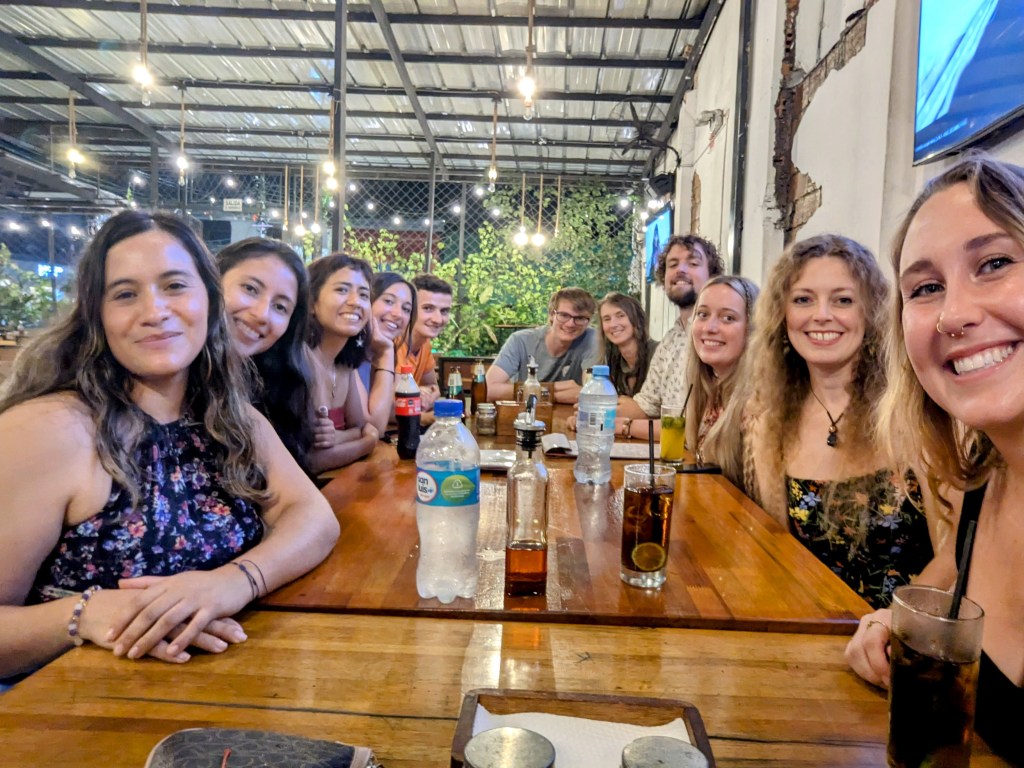
Love and miss you all lots,
Joss xxx

 Connect with nature®
Leave a reply to Stevie B. Cancel reply